Roofing That Lasts: How Durable Materials Reduce Waste Over Time
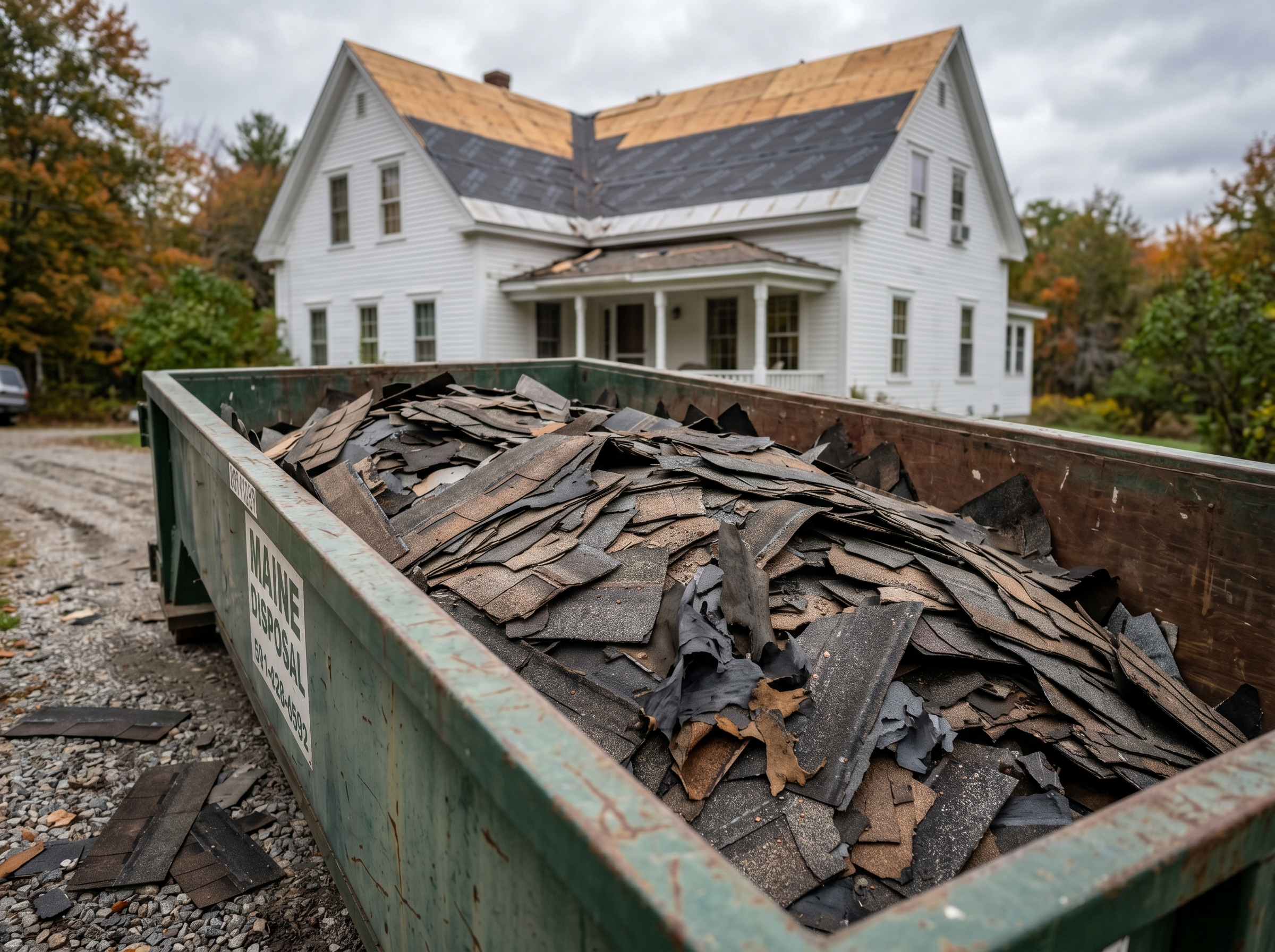
Every time a roof gets torn off and replaced, a dumpster’s worth of old shingles heads to the landfill. If you’ve ever watched a tear-off happen, you’ve seen it—three tons of asphalt from a single average home, gone in an afternoon. And in another 20 years, a new pile will take its place.
That got us thinking. When homeowners ask us about durable roofing materials here in Maine, they’re usually focused on cost or longevity. But the longer a roof lasts, the less often it needs to be replaced—and the less waste ends up in the landfill over the lifetime of a home.
Choosing the right material isn’t just a budget decision. It’s a long-game decision. Here’s how the most durable roofing materials stack up for Maine homes, and why lasting longer matters more than you might think.
Why Maine’s climate is hard on roofs
Maine is tough on roofing. Before we talk about which materials last longest, it helps to understand what they’re up against. The same weather that shapes our landscape also shapes how long a roof can realistically last here.
Freeze-thaw cycles. Maine sees temperatures cross freezing dozens of times each winter. Water seeps into tiny cracks, freezes, expands, and slowly pries materials apart. Less durable roofing materials give way faster under this kind of stress.
Heavy snow loads. Depending on where you live, Maine homes see 60 to 100 inches of snow each year. That weight sits on the roof for weeks at a time, stressing fasteners, seams, and shingle adhesives.
Coastal salt air. Homes along the coast from Camden to Bar Harbor deal with salt-laden air that accelerates corrosion on metal components and shortens the life of less resilient materials.
High winds and nor’easters. Coastal Maine regularly sees wind gusts over 60 mph during storms. A roof that can’t handle that kind of uplift won’t last as long as one that can.
Any roofing material you choose has to stand up to all four. The ones that do, last. The ones that don’t, end up in a dumpster sooner than they should.
How longer-lasting materials reduce waste over time
A durable roof reduces waste by simply not needing to be replaced as often. That sounds obvious, but the math is worth doing.
An average asphalt shingle roof on a Maine home weighs around 6,000 pounds—three tons of material. Over a 60-year period, a home with asphalt shingles typically goes through three full replacements. That’s roughly 18,000 pounds of shingles headed to the landfill over the life of one house.
Compare that to a standing seam metal roof installed once during the same 60 years. One installation, one tear-off at the far end (if any). The difference adds up to tens of thousands of pounds of waste avoided across a neighborhood, and hundreds of thousands across a town.
There’s also the upstream impact: less material manufactured, shipped, and installed. Fewer trucks on the road hauling away old shingles. Less labor and fuel spent doing the same job three times instead of once. Durability isn’t the only factor in sustainability, but it’s one of the most practical ones—and it’s where homeowners have the most control.
Standing seam metal: the long-term champion
Standing seam metal is one of the most durable roofing materials available for Maine homes, with a typical lifespan of 40 to 60 years. Some installations last even longer. It’s what we often recommend for homeowners thinking about the long game.
What makes it last: The panels run continuously from ridge to eave, with concealed fasteners that aren’t exposed to the weather. Snow slides off cleanly instead of sitting and adding weight. There’s nothing to rot, nothing to curl, and nothing for moss or algae to grab onto. In coastal applications, properly specified metal resists salt air corrosion for decades.
The tradeoff: Metal roofing costs more upfront—typically $20,000 to $40,000 for a Maine home, compared to $10,000 to $25,000 for asphalt shingles. But if you’re doing the math on cost per year, metal often comes out ahead, especially if you plan to stay in the home long-term or care about what you’re passing on to the next owner.
Where it shines: Coastal homes, high-wind sites, homes with complex rooflines where leaks have been a recurring problem, and homeowners who simply don’t want to think about their roof again.
Composite shake: the long-game option with cedar looks
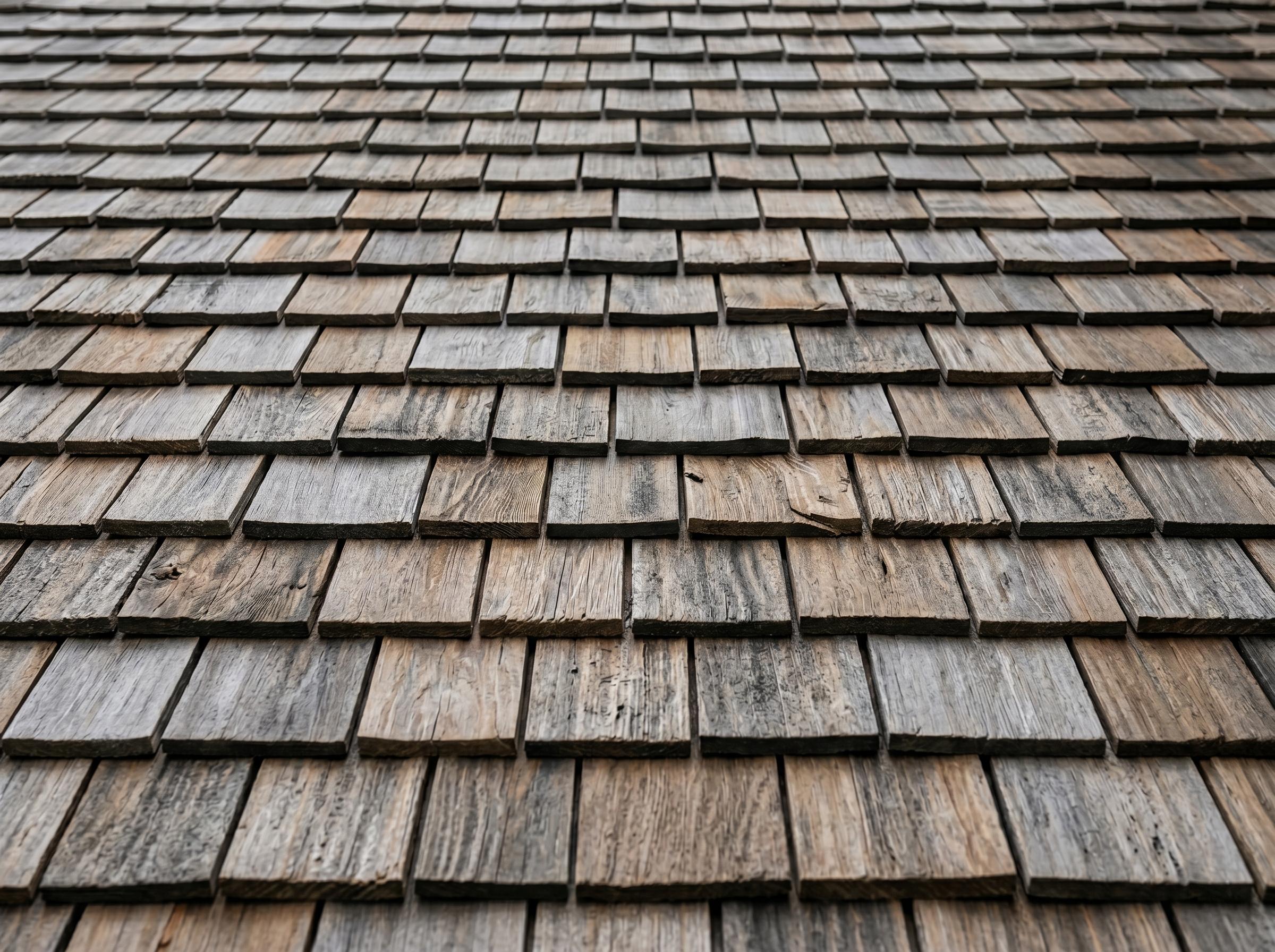
Composite shake—specifically Brava, which we install as a Brava Preferred Contractor—is a synthetic material designed to look like hand-split cedar shake without any of the downsides of real wood. It carries a 50-year warranty and is one of the more durable roofing materials for Maine homes with traditional architecture.
What makes it last: Real cedar shake is beautiful but high-maintenance in Maine—it cracks, curls, grows moss, and typically needs replacement in 20 to 30 years. Composite shake is engineered from polymer materials that don’t absorb moisture, don’t rot, and don’t become brittle in cold weather. It handles freeze-thaw cycles without the wear that natural wood shows.
The tradeoff: Composite shake costs more than asphalt and is comparable to premium metal. But for historic homes or homes in neighborhoods where the look of cedar matters—Camden, Belfast, Rockport—it’s often the only durable option that fits the aesthetic.
Where it shines: Historic homes, coastal properties where cedar would weather too fast, and homeowners who want the traditional Maine look without signing up for the maintenance schedule that comes with real wood.
Premium asphalt shingles: the smart middle ground
Not everyone has the budget for metal or composite—and that’s okay. Premium architectural asphalt shingles from manufacturers like Owens Corning and CertainTeed can still last 25 to 30 years in Maine when properly installed, compared to 15 to 20 years for basic three-tab shingles. As an Owens Corning Preferred Contractor, we install a lot of these for Maine homeowners.
What makes them last: Architectural shingles are heavier and thicker than basic shingles, with multiple layers laminated together. They resist wind uplift better (many are rated to 130 mph), shed granules more slowly, and handle freeze-thaw cycles with less curling. The best installations also include ice-and-water shield along all eaves and valleys, proper ventilation, and flashing details that make the whole system work better.
The tradeoff: Even premium asphalt will need to be replaced sooner than metal or composite—so you’ll go through the tear-off cycle at least once more over the same period. But for homeowners who want a significant step up in durability without doubling their roofing budget, premium asphalt is a smart, practical choice.
Where it shines: Homes where budget is a primary factor, homeowners who aren’t sure how long they’ll stay in the house, and situations where the existing structure is better suited to shingles than to heavier materials.
How to choose the right durable material for your home
There’s no single “best” durable roofing material for every Maine home. The right choice depends on your house, your budget, how long you plan to stay, and what matters to you about the long-term impact. Here’s a simple way to think about it:
If you’re planning to stay long-term, or you’re building a forever home, standing seam metal or composite shake almost always comes out ahead on cost per year—and leaves the lightest long-term footprint.
If you live along the coast, metal handles salt air and high winds better than anything else. Composite shake is a close second if you want the cedar look without the maintenance.
If budget is the main concern, premium asphalt with quality installation details (ice-and-water shield, proper ventilation, real flashing work) will outlast a cheaper installation by years—and you can explore 0% interest financing to make a longer-lasting option more accessible.
If your home is historic, composite shake often fits the architecture best while still giving you 50-year durability.
The goal isn’t just to pick the most expensive option. It’s to pick the material that will last the longest for your specific situation—so you replace it fewer times, throw away less material, and spend less money over the life of your home.
Frequently asked questions
What is the most durable roofing material for Maine homes?
Standing seam metal is generally the most durable roofing material for Maine homes, with a typical lifespan of 40 to 60 years. It handles freeze-thaw cycles, heavy snow, high winds, and coastal salt air better than most alternatives. Composite shake and premium architectural asphalt are also solid choices depending on your home’s style and budget.
Are metal roofs worth the extra cost in Maine?
For many Maine homeowners, yes—especially if you’re staying in the home long-term. A metal roof costs more upfront but often costs less per year of service life. It also sheds snow cleanly, resists salt air corrosion on the coast, and typically outlasts two or even three asphalt roofs over the same period.
Can asphalt shingles be recycled in Maine?
Asphalt shingle recycling is available in some parts of Maine but isn’t universal. Where recycling is available, shingles can be processed into aggregate for road construction. The more reliable way to reduce shingle waste is to choose a longer-lasting material in the first place, so fewer replacements happen over the life of your home.
How long does a cedar shake roof really last in Maine?
Natural cedar shake typically lasts 20 to 30 years in Maine—often on the shorter end because of our wet coastal climate, freeze-thaw cycles, and the way moss and algae grow on wood in shaded areas. Composite shake offers a similar look with roughly double the lifespan and far less maintenance.
Does a more durable roof increase home value?
A newer, longer-lasting roof is one of the home improvements that appraisers and buyers consistently notice. Metal and composite roofs in particular often add perceived value because the next owner knows they won’t need to replace the roof anytime soon. It’s one reason we often recommend thinking about durability even if you’re not planning to stay forever.
Choosing durable roofing materials is one of the most practical ways to reduce waste over the life of your home. Whether that’s a standing seam metal roof built to last 50 years, a composite shake with the look of cedar and the durability of modern materials, or a premium asphalt installation done with careful attention to detail—the best roof is the one you don’t have to replace as often.
If you’re weighing your options and want to talk through what makes sense for your home, we’d love to help. Give us a call at (207) 200-1053 or reach out for a free estimate whenever you’re ready. No pressure—just an honest conversation about what will last.