
When is the best time to replace a roof in Maine?
If you know your roof needs replacing in the next year or so, the smartest thing you can do is choose when it happens—instead of letting a January nor’easter choose for you.
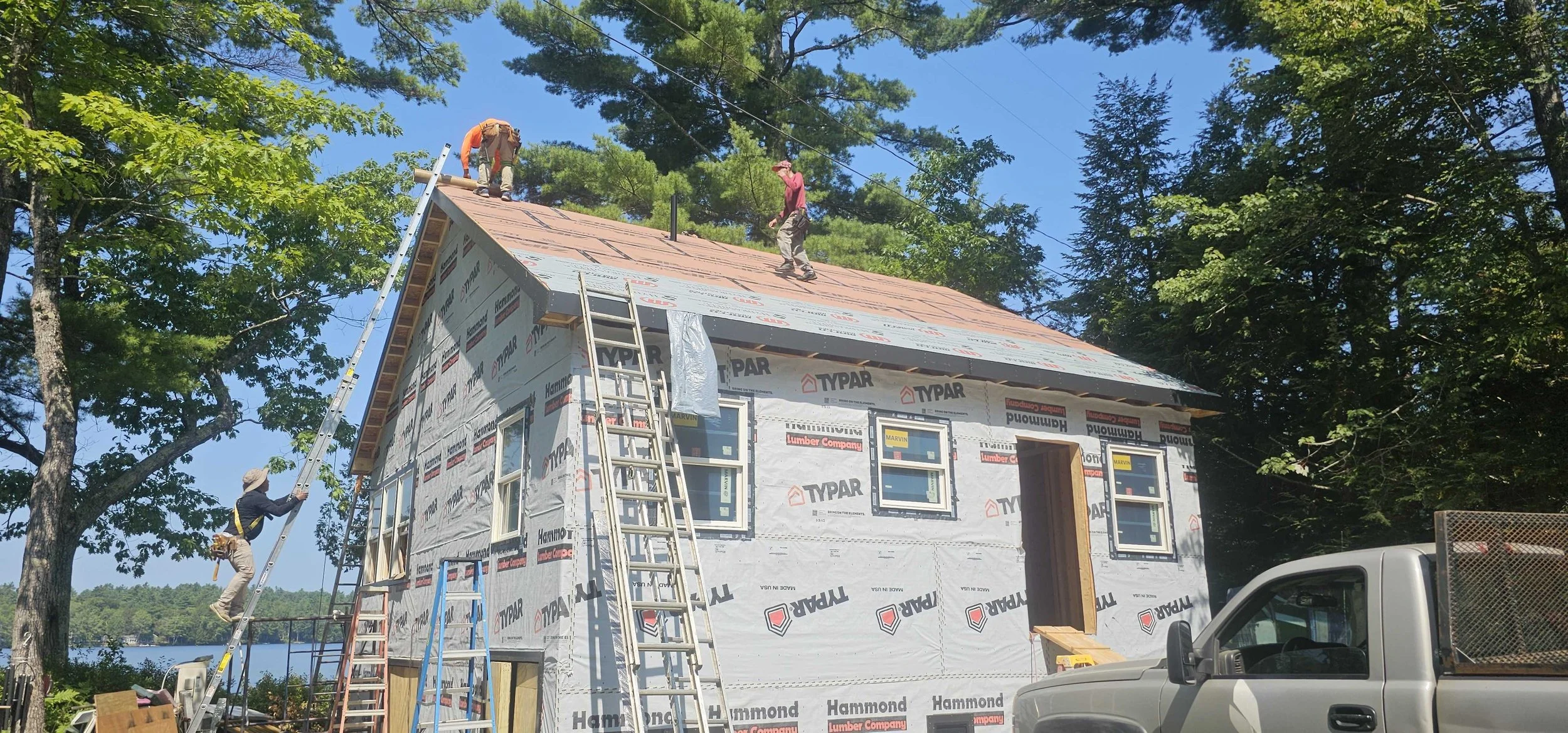
The best time to replace a roof in Maine is late May through early October, with summer as the sweet spot. That window gives asphalt shingles the warmth they need to seal, gives the crew long working days, and lets your new roof settle in well before winter. Here’s how the seasons compare, how far ahead to book, and what to do if you’re running late.
Why summer is the best time to replace a roof in Maine
Summer gives your new roof the best possible start. Here’s why:
Shingles seal properly. Asphalt shingles have a heat-activated adhesive strip that bonds each shingle to the one below it. That seal is what keeps shingles from lifting in high winds. It needs temperatures consistently above 40–45°F and works best between 60 and 80°F, and Maine summers deliver that reliably.
Long days mean faster jobs. With 15 to 16 hours of daylight from June through August, most homes are finished in 2 to 5 days, and simple roofs are often done in 2 to 3. Less time with your roof open means less exposure.
The weather is more predictable. Summer storms usually pass in hours, not days. Spring brings mud season and surprise rain, and fall can turn cold fast.
Materials work the way they should. Cold shingles get brittle and can crack, underlayment doesn’t stick as well, and sealants cure slowly. In summer, everything comes together the way it’s designed to.
Your roof gets tested before winter. A roof that goes on in June sees summer storms and fall rain before its first Maine winter. If anything needs a second look, like a piece of flashing or a missed nail, it shows up while it’s still easy to fix.
How spring, fall and winter compare
Spring (April–May) works well from mid-May on, once mud season clears and temperatures settle. Early April can swing from 60°F one day to freezing rain the next. Spring is also the best time to book, which is why we encourage homeowners to call before summer schedules fill.
Early fall (September–early October) is the second-best window. Days are still warm enough for shingles to seal, and the weather is often dry and steady. September is the target, and early October is the last reliable stretch.
Late fall and winter (November–March) is possible when it’s necessary, but it isn’t ideal. Shingle strips may not seal on their own and need to be hand-sealed, snow and ice have to come off before work starts, and short days stretch the timeline. If you’re facing an emergency, we’ll still help. A targeted repair can often get you through winter, and standing seam metal is less sensitive to cold than asphalt.
How far ahead should you book a roof replacement?
Book in spring if you want a summer roof. Wait times change with the season. Here’s what to expect from your first call to install day:
Spring (March–May): about 2–4 weeks
Summer (June–August): about 4–8 weeks, sometimes more
Early fall (September): about 2–3 weeks
Late fall (October–November): about 4–6 weeks, as everyone tries to beat winter
A planning timeline that works
If you know a replacement is coming, this is the calendar we recommend:
January–February: Make note of what you saw this winter: ice dams, leaks, missing shingles. Set a rough budget.
March–April: Schedule your free roof inspection and estimate. You’ll get an honest read on how urgent the work is and a written, line-by-line price.
April–May: Choose your materials and lock in your install date. If you’ll be using financing, pre-qualify now so everything’s ready to go.
Late May–September: Your new roof goes on in the best conditions of the year.
Running late? Here’s the fall plan
If it’s already late summer, you still have a good window—just don’t wait on it:
August: Get your free estimate.
September: Lock in your date. Fall calendars fill quickly.
Early October: Get the work done while it’s still warm enough for shingles to seal.
November: You want to be finished, not starting.
Once your new roof is on, our guide to getting your roof ready for a Maine winter covers what to check before the snow flies.
Signs your roof shouldn’t wait another season
Timing only matters if your roof actually needs the work. These are the signs we take seriously:
Granules collecting in your gutters, or shingles that look bald or curled
A leak or ceiling stain that comes back after every rain
Missing, cracked or lifted shingles after a coastal storm
Soft spots, sagging, or daylight through the roof boards in your attic
A roof at or past its expected life that’s already showing wear from salt air and freeze-thaw
If you’re seeing age but no leaks, you may have more time than you think. Here’s how long you can safely wait to replace your roof.
Why a planned replacement beats an emergency one
A planned replacement is almost always less expensive and less stressful than an emergency one. When a roof fails in the middle of winter, the cost rarely stops at the roof:
Emergency work costs more. Cold-weather precautions, short days and temporary fixes all add to the bill.
Water damage adds up fast. Rotted roof boards (the decking under your shingles) typically add $1,000–$3,000 or more to a replacement, before you count soaked insulation, ceiling repairs or mold.
You lose your choices. In an emergency, you take whatever materials, colors and dates are available. Planning ahead puts those decisions back in your hands.
None of this is meant to rush you. If an inspection shows your roof has a few good years left, we’ll tell you that. Not sure which you need? Our guide to roof repair vs. replacement can help.
Frequently asked questions
Can you replace a roof in winter in Maine?
Yes, but it isn’t ideal. We handle emergency repairs and replacements year-round, but cold makes asphalt shingles brittle and keeps their adhesive strips from sealing on their own. If you have a choice, plan for late May through early October.
What temperature is too cold to install asphalt shingles?
Below about 40–45°F, asphalt shingles get brittle and their adhesive strips won’t seal on their own. They seal best between 60 and 80°F. Standing seam metal is less sensitive to cold, which is one reason some homeowners choose it for late-season projects.
Does it cost more to replace a roof in summer?
Usually not. Pricing tends to stay steady year-round. The real cost difference is between a planned replacement and an emergency one, and emergency winter work almost always costs more.
How long does a roof replacement take?
Most homes take 2 to 5 days, and simple ranch-style homes are often done in 2 to 3. Weather and roof complexity can change that. We’ll give you a clear timeline with your estimate.
When should I book a fall roof replacement?
Call by August if you can. September is the target for installation, and early October is the last reliable stretch. After that, cold nights make it harder for asphalt shingles to seal properly.
The best time to replace your roof is when you get to plan it—choosing your materials, your date and your budget on your own terms. For most Maine homeowners, that means booking in spring and building in summer.
If you’d like a clear picture of where your roof stands, we’d be happy to come take a look. The inspection and estimate are free, with no pressure. Feel free to reach out or give us a call at (207) 200-1053.